The short answer
Choose a college if you want a recognised degree (B.Des, B.Sc, B.Voc or a diploma) and have three to four years for it. Choose a practical course if you want job-ready skills such as site knowledge, materials, software and a portfolio within weeks or months. If you are already in a design or architecture college, a practical course fills the gap between classroom and real projects.
What an interior design college gives you
Raipur has universities and colleges offering interior design at several levels. The common ones are:
- B.Des in Interior Design: usually four years, after Class 12.
- B.Sc or B.Voc in Interior Design: usually three years, after Class 12.
- Diploma in Interior Design: usually one to two years.
- M.Des: two years, after a graduate degree.
A degree covers design fundamentals, history of design, drawing and theory over several years. It matters if you want to study further, teach, apply abroad or join employers that ask for a specific qualification. Check each college's recognition, fees and eligibility directly with the college.
What a practical course gives you
Interior design is learned on site as much as on paper. A practical course focuses on what you use on a real project from day one:
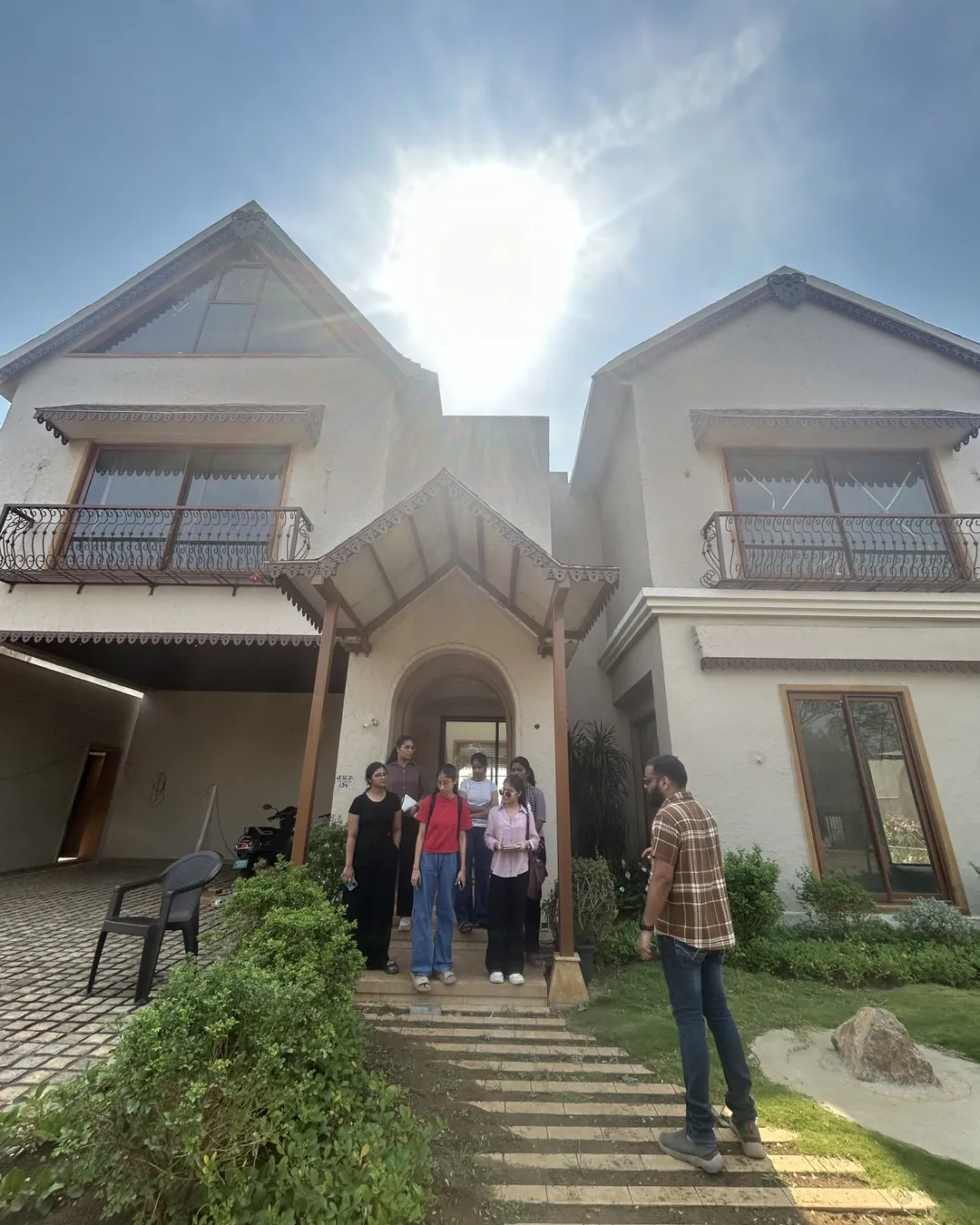
- Site knowledge: how a space is measured, detailed, executed and handed over.
- Materials: laminates, veneers, stone, hardware and lighting, seen and handled, not just named.
- Software: 2D CAD drawings, SketchUp models and Lumion or AI renders that clients actually see.
- A portfolio: real projects you can show an employer or a client.
- Time: weeks or months instead of years, often alongside college or work.
College vs course at a glance
| Degree college | Practical course | |
|---|---|---|
| Duration | 1 to 4 years | 40 days to 6 months |
| You get | A degree or diploma | Skills, a portfolio and a certificate |
| Focus | Theory, fundamentals, broad design education | Site work, materials, software, live projects |
| Best for | Higher studies, teaching, jobs that ask for a degree | Getting work-ready, switching careers, filling gaps in a degree |
| Can be combined? | Yes. Many students take a practical course during or right after their degree. | |
Why many students do both
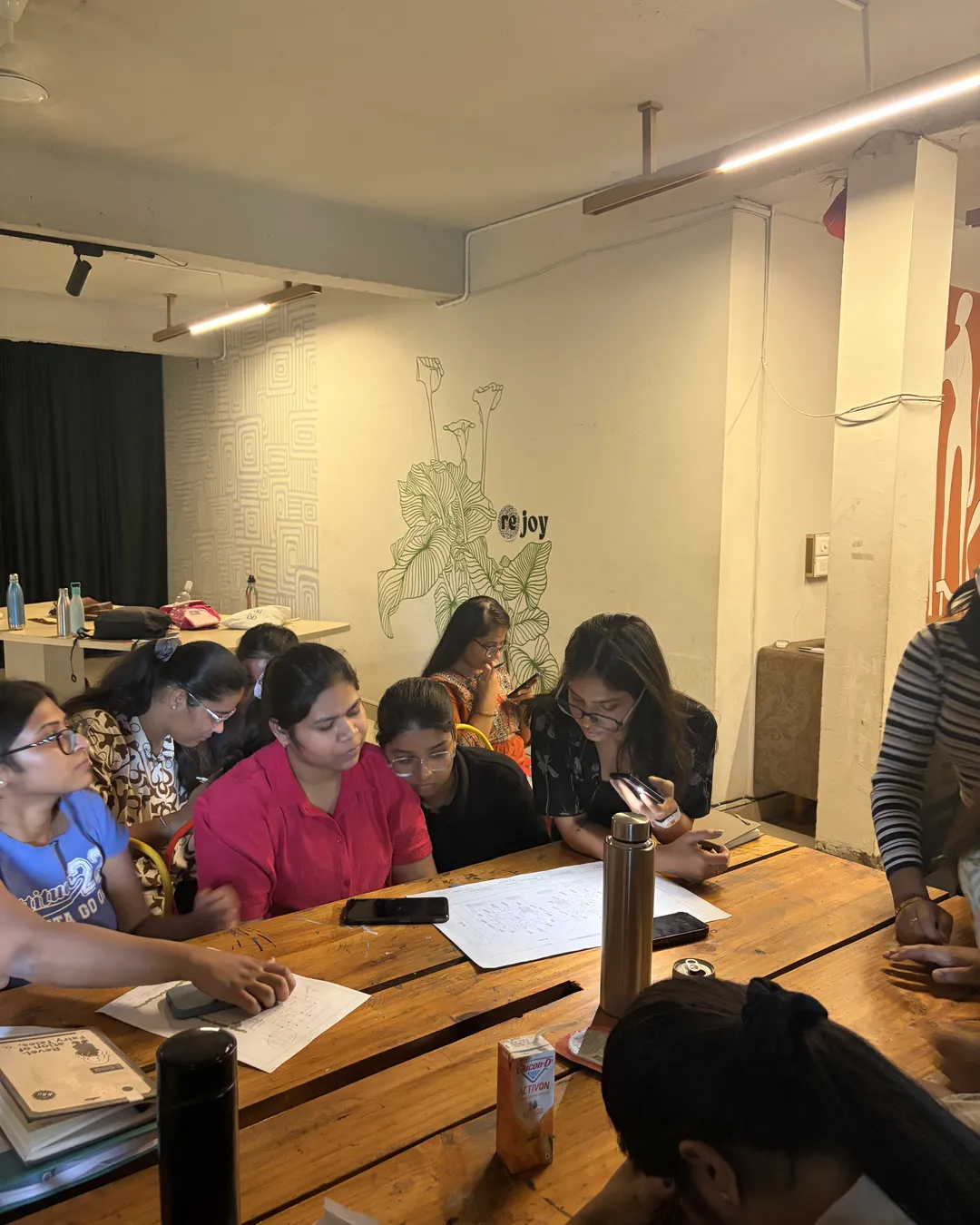
Most of our students in Raipur already have a degree, or are studying for one. They join because college taught them design, but not yet how a design gets built.
“This course has helped me understand the intricacies of site execution in a much detailed way, including the process of furniture making, material selection and practical challenges encountered during the process.”
“After joining SOS and completing the course, I got the opportunity to intern at Arthat Architects. This experience has motivated me to grow, learn, and become a better designer.”
Others come from outside design altogether: our students include a civil engineer (B.Tech Civil, BIT) and a finance graduate (BBA Finance, BMCC, Pune) who moved into interior design through practical training.
Which path fits you?
- Just finished Class 12 and want a degree?Start with a recognised college. Add a practical course in your holidays or final year to build site and software skills early.
- In a design or architecture college now?A short program fits alongside your studies: the 40-day Design Internship for studio and site exposure, or the 1.5-month software course for CAD, SketchUp and Lumion.
- Graduated, or switching careers?The 6-month Design Expertise Program takes you from foundations through live projects to a portfolio and career guidance.
Questions to ask any college or institute in Raipur
Whichever you choose, ask these before you join:
- How many site visits and showroom visits are in the program?
- Who teaches: full-time academics, or designers who run live projects?
- Which software is taught, and do students use it on real projects?
- Will I finish with a portfolio I can show employers?
- Can I see work by past students, and talk to one?
- What help is there with internships and jobs afterwards?